Best Places for Remote Work in Scotland
January 28, 2026
Substance Use In Scotland: Renfrew Compared To The Rest of The Country
January 28, 2026Scotland is a country full of history. Its rolling hills, misty valleys, rugged coastlines and old towns are home to castles that tell stories of kings, clans, battles, betrayals and love. These castles are more than just impressive buildings, they are pieces of Scotland’s past, each with stories that have shaped the country’s culture and identity.
Whether you love history or are looking for interesting stories to write about, Scottish castles are full of fascinating things to explore. For many visitors and residents, planning trips around castles pairs perfectly with a visit to local sites of entertainment or leisure, from whisky distilleries to urban activities and even online gaming sites like graphthemes.com.
After a day of exploring, evenings can be spent enjoying traditional Scottish music, dining at local pubs and restaurants, taking scenic night walks or relaxing with online games and digital entertainment from the comfort of your accommodation. This combination of daytime adventure and evening leisure makes visiting Scotland’s castles a full and memorable experience.
Across Scotland, castle architecture varies widely from massive defensive fortresses like Stirling to romantic Highland ruins like Urquhart. Many castles were built with defensive priorities: thick stone walls, strategic elevations, fortified gatehouses and defensive courtyards. These features reflect centuries of clan rivalries, border conflicts and battles for independence.
Edinburgh Castle
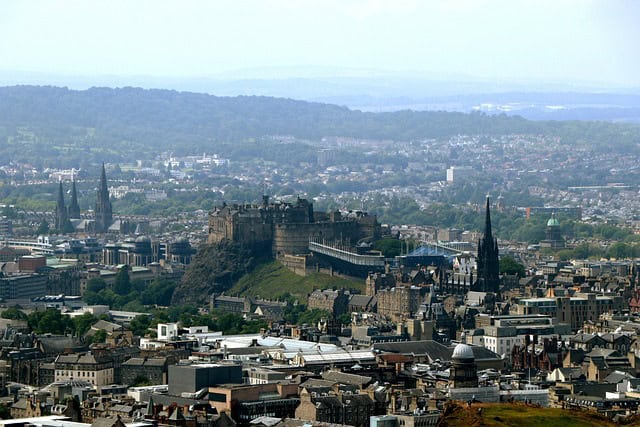
Perched on Castle Rock in the center of Scotland’s capital, Edinburgh Castle is one of the country’s most famous forts. People have lived on Castle Rock since at least the Iron Age and over more than a thousand years, the castle has played important roles in royal life, battles, culture and Scotland’s national identity.
The earliest documented royal presence at Edinburgh Castle dates from the reign of Malcolm III in the 11th century. Over the centuries, the castle’s role shifted from a royal residence to a military stronghold, playing active roles in multiple conflicts, including the Wars of Scottish Independence and later internal strife.
Today, Edinburgh Castle houses the Honours of Scotland (Scotland’s Crown Jewels) and the Stone of Destiny, both priceless national treasures. The fortress also served as a prison for military captives and housed vital national archives.
More than a relic, Edinburgh Castle is a symbol of Scottish resilience and national identity. Millions of visitors pass through its gates each year to learn about Scotland’s monarchs, armies and dramatic past, while the annual Royal Edinburgh Military Tattoo, staged on the castle esplanade, connects modern audiences with centuries of martial tradition and pageantry.
Stirling Castle
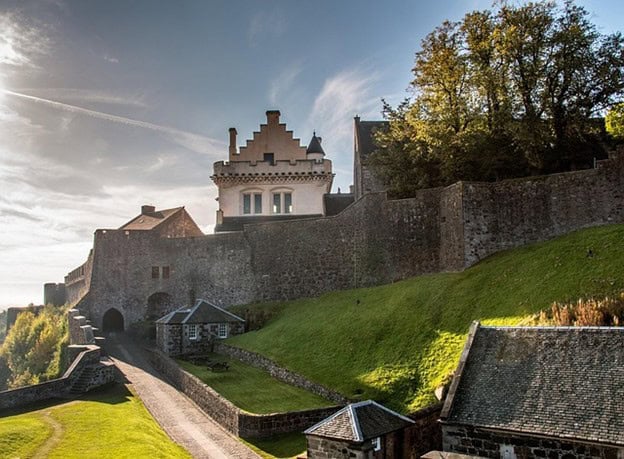
Perched on a rocky crag overlooking the River Forth, Stirling Castle is another cornerstone of Scotland’s historic landscape. Its strategic location made it a contested stronghold during the Wars of Scottish Independence in the late 13th and early 14th centuries.
Stirling Castle guarded the key crossing of the river, which was essential in battles between Scottish forces and English armies. It witnessed moments of profound historical significance, such as William Wallace’s victory at the Battle of Stirling Bridge. Although the castle itself was not the battle site, its proximity underscores its strategic relevance.
Stirling also played a role in the life of Mary, Queen of Scots. She was crowned in Holyrood Abbey and spent part of her childhood around the castle, linking the fortress deeply with royal narratives.
Eilean Donan Castle
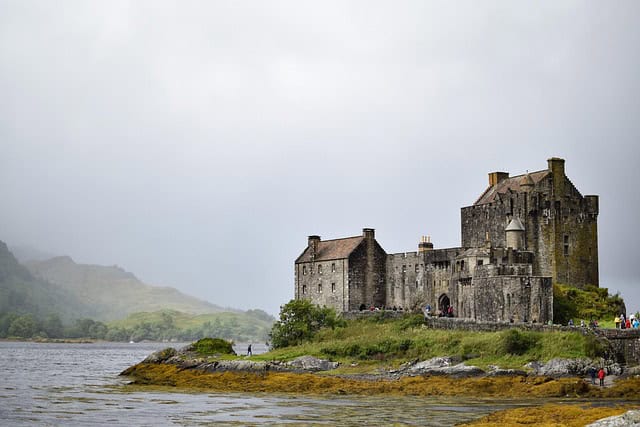
Among Scotland’s most photographed landmarks, Eilean Donan Castle sits dramatically on a tidal island where three sea lochs meet in the Highlands. Originally fortified in the early 13th century to resist Viking invasions, Eilean Donan later became tied to the powerful Mackenzie and MacRae clans. It fell into ruin after its destruction during the Jacobite rising of 1719 but was restored from 1919 to 1932 by Lieutenant Colonel John MacRae-Gilstrap.
The restoration, faithful to historic forms, revived Eilean Donan as a functioning castle and public symbol of Scottish heritage. Today, it remains one of the most visited and photographed sites in the Highlands, attracting hundreds of thousands of visitors each year.
Urquhart Castle
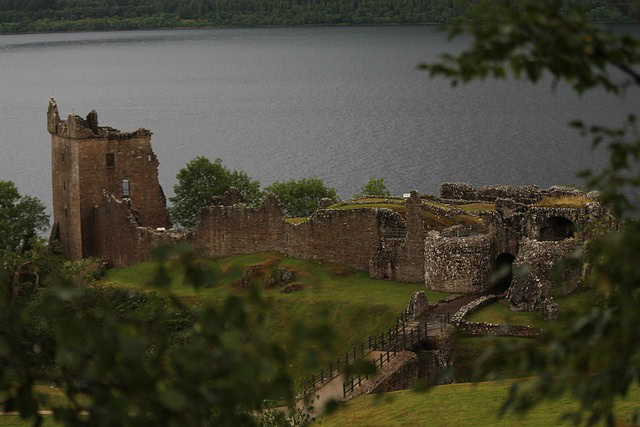
Overlooking the waters of Loch Ness, Urquhart Castle is one of Scotland’s great ruins, known for its dramatic setting and turbulent past. Founded in the 13th century, it played a role in the Wars of Scottish Independence and was contested between different clans and English forces.
By the 17th century, the castle’s military importance had waned and it was largely abandoned. Today, its ruins draw tourists for their history and for the chance to view Loch Ness, a location famously linked to the legendary Loch Ness monster.
Stanely Castle
Paisley, known for its textile heritage and cultural vitality, also hosts its own castle story with Stanely Castle. This lesser-visited but historically intriguing site sits near a reservoir to the south of Paisley.
Built probably in the early 15th century, Stanely Castle was a four storey tower house serving as the seat of the Danzielston family. Later it passed through several notable Scottish families including the Maxwells and Lady Ross of Hawhead before eventually falling into disuse.
During the 19th century, the castle shifted from its original fortified purpose as local infrastructure projects, such as the building of a reservoir, caused parts of it to become submerged and inaccessible. Despite its ruinous state, Stanely Castle remains a tangible link to the medieval history of Paisley and a reminder of how Scotland’s castles reflect evolving social and environmental landscapes.
Glamis Castle
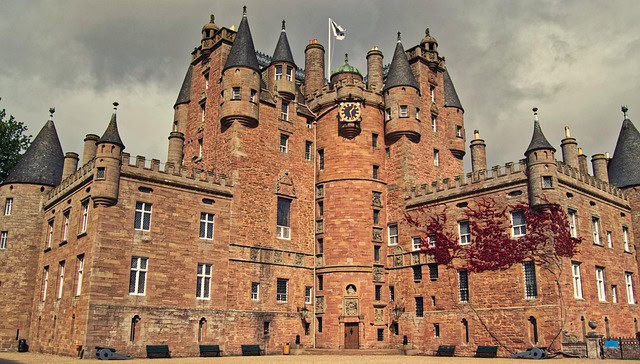
Nestled in Angus, Glamis Castle is a structure steeped in royal history, dramatic architecture and folklore. Its origins go back to at least the 14th century when it became the seat of the Lyon family and it has remained in their lineage ever since.
Glamis Castle’s prominence lies partly in its royal links. It was the childhood home of Queen Elizabeth The Queen Mother and Princess Margaret was born there, making it a rare example of a Scottish castle directly connected with the modern British royal family.
The castle also inspired literary tradition and is popularly associated with William Shakespeare’s tragedy Macbeth. Beyond legend and royalty, Glamis Castle reflects successive architectural phases spanning medieval fortification through later adaptations, with centuries of rebuilding guided by the Lyon family to suit changing tastes and needs.
Many visitors enjoy pairing their castle tours with digital entertainment, including streaming, gaming and online casinos, which can be accessed during evenings or downtime. These options offer modern leisure experiences alongside the historic and cultural exploration of Scotland.
Final Thoughts
Scotland has thousands of castle sites, from major tourist attractions to hidden ruins. Their enduring appeal lies not just in stone and mortar but in the stories they hold, from royal intrigues and battles to the lives of ordinary inhabitants, craftsmen and families whose histories are woven into these ancient walls.
Visitors from around the world come to these sites not only to admire the architecture but to connect with centuries-old narratives that explore universal themes of power, identity, resilience and legacy.
Whether you seek royal connections, dramatic siege tales, architectural evolution or simply breathtaking landscapes, Scottish castles provide experiences that are as educational as they are unforgettable. These strongholds continue to be celebrated, preserved and studied, inviting new generations to explore their stories.
As you plan your own Scottish adventure, these castles remain enduring highlights that capture the essence of Scotland’s past and present.