Top Crypto Casino Platforms Offering Fast Payouts in 2026
December 30, 2025
Relaxing in Paisley: Perfect Ways to Unwind After the Holiday Rush
January 5, 2026Most trips get planned like a checklist. A landmark, a museum, a “must-try” café, a famous viewpoint. The schedule looks busy, yet the memory often feels blurry, like everything happened behind a window. There is a calmer way to travel that still feels rich, even in a single day. It starts with one simple rule: explore a place on foot for two hours, with no pressure to “cover” it.
The 2-hour walk method works for long vacations, quick weekends, and even work trips with a spare afternoon. It is about building a small, repeatable travel ritual that brings out local texture: street details, small conversations, the way neighborhoods change block by block. It also happens to be friendly to budgets and easy to pair with cheap holidays when the goal is to travel more often, for shorter bursts, without turning every trip into a major production.
This method is especially useful for travelers who love culture and community life. It rewards curiosity: local history, everyday architecture, markets, parks, churches, waterfront paths, murals, public libraries, even the rhythm of commuter streets. It is travel that feels grounded, because it uses the city’s own pace.
Why two hours changes how a place feels
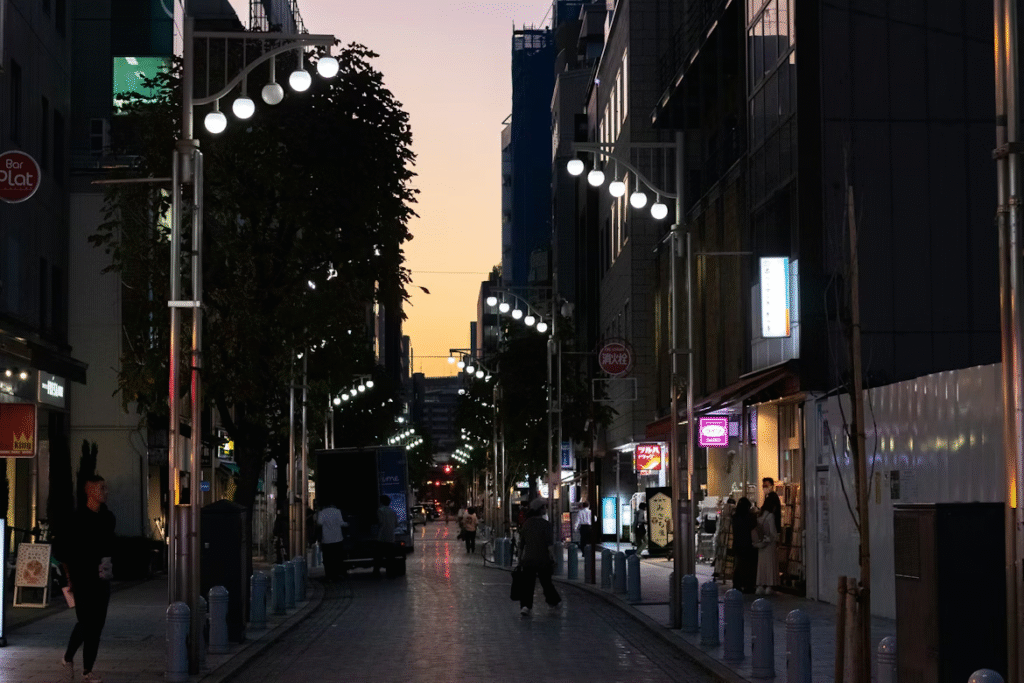
Two hours is long enough to cross several “micro-worlds” in the same town. In most cities, one can move in a 20-minute walk from the modern shopping streets to the old industrial areas to the quiet residential streets. It is often very subtle: change of construction material, accent, type of bakery, design of front garden, etc.
Two hours also avoids the typical tourist error: walking until exhausted, then dashing home. With a defined window, there is a finish line. It becomes easier to wander with attention because there is no fear of getting lost forever. The walk has a gentle structure, yet still feels free.
Another reason it works is mental. In the first 20 minutes, the mind is still “arriving.” In the next 40, it starts noticing. After about an hour, the place begins to feel familiar. That last part is the magic: familiarity is where real travel starts. People stop looking like background characters. Streets start to connect. Small signs begin to make sense.
Build the route like a local would
The 2-hour walk is not random. It is flexible, yet built from a few smart choices. Think of it like a loop with a story. The goal is to walk through contrast, then return through calm.
Start with an “anchor,” a point that is both easy to find and easy to return to. This may be a central square, a train station, a bridge over a river, a cathedral, or even a marked entrance to a park. From there, plan a route that contains three kinds of spaces:
- A lived-in street where locals actually do errands
- A green or open area that gives breathing space
- A heritage or character zone that shows the town’s personality
You do not need to map every turn. The best routes allow small deviations. A side street with interesting doors. A stairway leading down to a canal. A tiny lane with handmade posters in windows. The method welcomes detours, because the two-hour window keeps things contained.
One rule of thumb is that you walk out for 55 minutes and turn around for 55 minutes, leaving 10 minutes for resting. This creates an automatic loop even in places with confusing layouts. If something looks promising, go toward it. When the halfway point hits, head back with a slightly different path.
The attention checklist that makes it feel like real travel
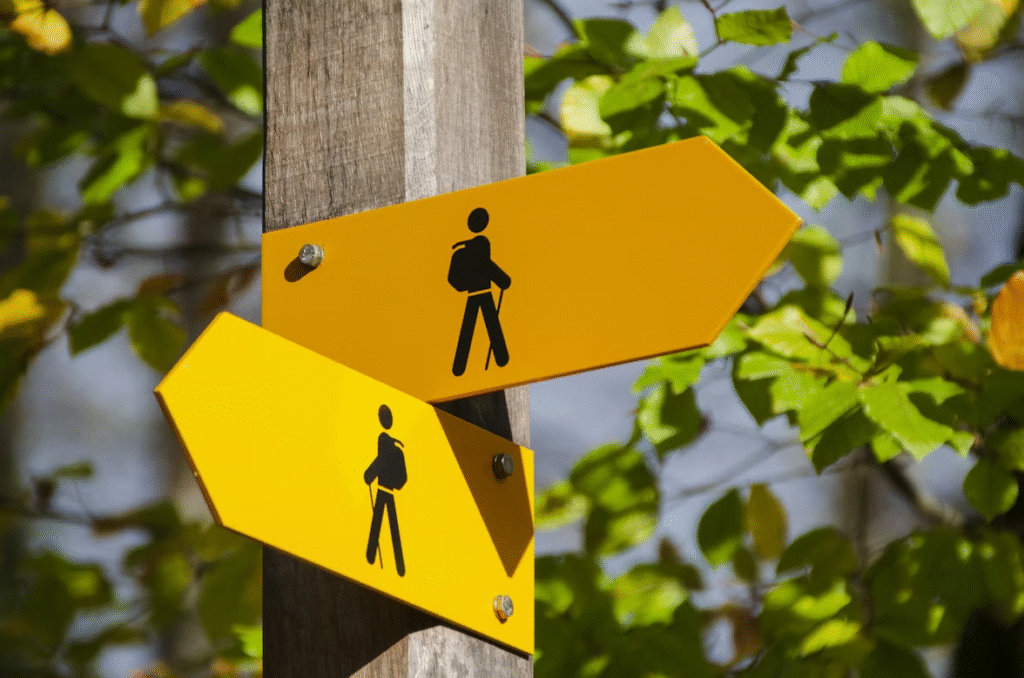
The method is less about steps and more about what gets noticed. It turns the walk into a collection of small discoveries. The trick is to give the eyes a job, without turning the experience into homework.
Here is a short attention checklist that works in almost any destination:
- Look at the ground, then look up. Pavement patterns and rooflines often reveal older layers of the town.
- Track the smell map. Bakeries, laundries, sea air, wet stone after rain. Smell anchors memory.
- Notice public messages. Community boards, local charity posters, protest stickers, theater flyers.
- Watch what people carry. Grocery bags, sports gear, instruments, tools. It shows local routines.
- Find one “small monument.” It could be a plaque, a memorial bench, a painted wall, or a weird statue.
This checklist fits into a two-hour walk naturally. It encourages slower observation. It also makes each walk unique, even in places that seem similar on the surface.
Weather-proof walking and the comfort strategy
Many travelers plan walks like the weather will cooperate. Real life disagrees. The 2-hour walk method still works in wind, drizzle, cold, or heavy sun. It just needs a comfort strategy.
In rain, choose routes with “roof islands.” Arcades, covered markets, museum courtyards, train station passages, big old churches. These spots act like umbrellas for the brain. A walk with small shelters feels cozy instead of miserable.
In heat, aim for shade corridors and water edges. Tree-lined streets, canal tracks, the edges of parks, and neighborhoods with narrow roadways may feel cooler. It also makes a difference how and when you physically interact with the environment. Early morning walks have a different mood: deliveries, quiet cafés setting up, streets waking slowly.
Comfort is also about feet. A two-hour walk sounds easy until shoes disagree. That is why the method is strict about time. It protects the body. It also encourages a single good pause. One café stop or a bench moment can reset the whole walk.
A practical approach is to plan one “warm stop” and one “view stop.” Warm stop means tea, coffee, a bakery, a small pub, or even a library. View stop means a bridge, a hill, a churchyard, a waterfront railing, or a park bench.
Turning walks into a personal travel archive
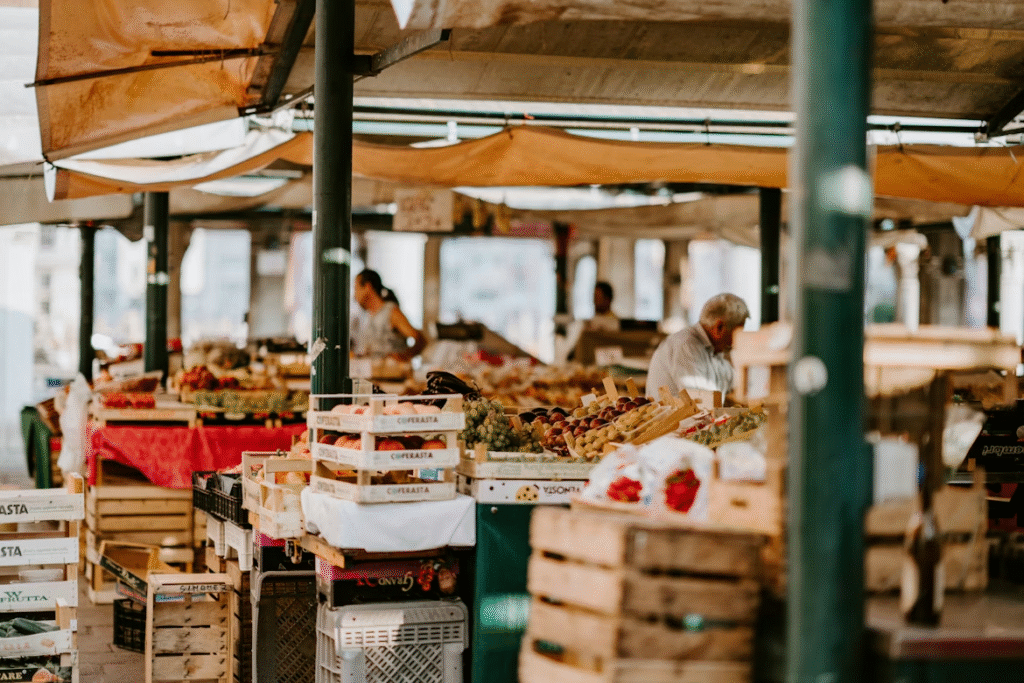
People often come home with photos of landmarks and meals, then forget the rest. The 2-hour walk method makes it easy to build a personal archive that captures the soul of places, even without perfect photography skills.
A simple format works:
- One wide photo that shows a street’s mood
- One detail photo of texture or typography
- One “human trace” photo like a handwritten sign, a bike, or a doorway
That’s it. Three photos from each walk. Over time, it creates a collection that feels intimate and consistent. It is also surprisingly useful for writing, journaling, or even planning future trips. Patterns start to appear: favorite street types, favorite towns, favorite atmospheres.
A small note helps too. Just one sentence after the walk, written on a phone. Something like “Old stone houses near the river, smell of fresh bread, quiet schoolyard with chalk drawings.” This is the kind of memory that stays.
The method also works for social travel. If traveling with friends or family, give everyone one role for the walk. One person notices buildings, another notices food smells, another notices street art. It turns the walk into a shared game, without forcing anyone into a strict itinerary.
Budget travel that still feels deep
The strongest feature of the 2-hour walk method is that it makes low-cost travel feel full. It creates a “high experience per hour” style of exploration. That matters when travel budgets are tight, or when trips happen often.
Instead of paying for five attractions in one day, a traveler can choose one meaningful ticket and combine it with a rich walk. Or skip tickets altogether and experience an understanding of place anyway. Markets, parks, waterfronts, old cemeteries, public gardens, city hall buildings, churches, and local streets are free. They carry the daily life that guidebooks often miss.
This approach also makes planning easier. When travel is built around a repeatable ritual, it becomes easier to take spontaneous trips. A cheap train ticket, a simple overnight stay, then two hours on foot that deliver the feeling of being somewhere new.
Two hours may sound small, yet it is enough to shift a mood. It can turn a business trip into a personal story. It can turn a rainy weekend into a memory. It can turn a “just passing through” town into a place that feels understood.
The 2-hour walk method is simple, and that is the point. Travel does not have to be loud to be meaningful. With a small window, a little attention, and a route built from local logic, a place becomes more than the set of attractions. It becomes a living town with texture, habits, and quiet charm.