
After an amazing career, Jeff says: ‘Don’t Shoot Me – I’m Only The Photographer!
December 9, 2025Dee Dental Paisley – Christmas Update, Festive Hours and Seasonal Offers
December 10, 2025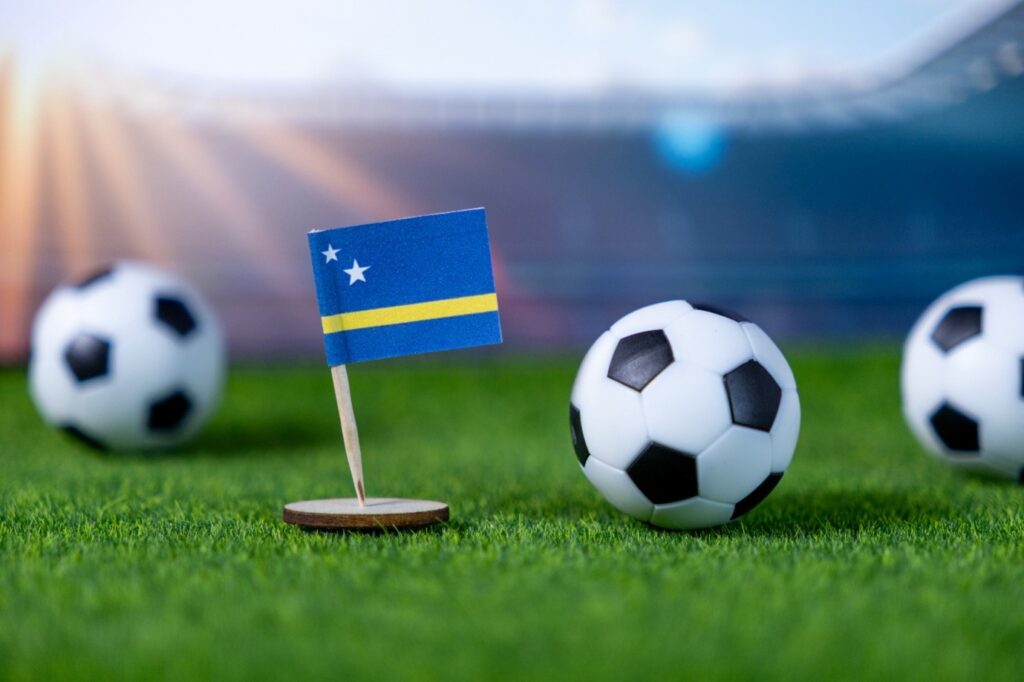
Curacao’s qualification for the 2026 World Cup is one of the most remarkable stories international football has seen in years. With a population of around 150,000, smaller than Ipswich, the Dutch-Caribbean island has become the smallest nation ever to reach the men’s World Cup finals — overtaking Iceland’s record from 2018. It’s the kind of underdog rise that often grabs the attention of fans searching for odds and predictions for today’s matches, eager to see how a team like this might perform on the world stage.
Curacao topped CONCACAF Group B with 12 points, one ahead of Jamaica, who are one of the strongest sides in the Caribbean. A hard-fought 0–0 draw away in Kingston sealed their place at the finals. That result capped an unbeaten run that included a 7–0 win over Bermuda and several displays built on discipline, organisation, and moments of attacking flair.
So, with Curacao leading the way, let’s look at the four other smallest nations ever to qualify for the World Cup, and how each one fared once they got there.
Iceland
Before Curacao’s rise, Iceland were the defining small-nation success story. With a population of around 350,000, they stunned Europe by qualifying for the 2016 Euros, reaching the quarter-finals, and then making it to their first World Cup in 2018.
In Russia, Iceland opened with a memorable 1–1 draw against Argentina — a result that sent shockwaves around the tournament. Despite that early momentum, they could not progress from the group, losing to Nigeria and Croatia in their final matches.
Cape Verde
Cape Verde, an island archipelago off the west coast of Africa with a population of just over 500,000, has completed a historic breakthrough by qualifying for the 2026 FIFA World Cup, making them the smallest African nation in history to reach the tournament.
Cape Verde won seven of their ten qualifying matches, losing only once — a 4–1 defeat to Cameroon. Crucially, they recovered from that setback with composure, stringing together results that kept them ahead of more established African sides. Their 3–0 win over Eswatini in Praia ultimately sealed their place at the tournament and sparked celebrations across the islands.
Trinidad and Tobago
Trinidad & Tobago reached their first World Cup in 2006, making them one of the smallest nations ever to qualify at the time, with a population of around 640,000. Their achievement was grounded in a determined qualifying run and a squad led by experienced figures such as Dwight Yorke and Shaka Hislop.
Placed in a tough group in Germany, their opening match produced a historic 0–0 draw against Sweden, achieved despite being reduced to ten men. Though they lost their next two games — 2–0 to both England and Paraguay — they left the tournament with respect and admiration. They did not score a goal, but their organisation, spirit and huge travelling support made a lasting impression.
Northern Ireland
While Northern Ireland’s population is larger than the other nations here, their achievements stand out in the broader history of small-nation World Cup success. With a population of just under two million, they reached the World Cup three times: 1958, 1982 and 1986.
Their 1958 campaign remains their high-water mark. They opened with a 1–0 win over Czechoslovakia and battled through a tough group that also included Argentina and West Germany. They won a play-off against the Czechs after finishing level on points and progressed to the quarter-finals, where their run ended against a strong French side.